
Represent collected data: Year 9 – planning tool
This planning resource for Year 9 is for the topic of Represent collected data. Students are familiar with different types of visualisations of data and variables and can evaluate and interpret data displays. Students can label data as categorical (ordinal or nominal) or numerical (discrete or continuous) and consider which displays are commonly suitable to each (for example, histogram versus bar chart for continuous versus discrete). Students can purposefully collect data in each form and determine before collecting which type of data they will acquire.
- Resource details
- Year level
- Year 9
- Purpose
- Planning Teaching resource Teaching strategies Student activities
- Strand
- Statistics
- Topic
- Data representation and interpretation
- Audience
- Teachers
- Format
- Webpage
- Australian Curriculum code
- AC9M9ST03
- Numeracy progression
- Interpreting and representing data (P8)
- Publisher
- Commonwealth of Australia
- Copyright
- © 2023 Commonwealth of Australia, unless otherwise indicated. Creative Commons Attribution 4.0, unless otherwise indicated
- Other terms
- lesson plans assessment task teaching strategies pedagogies Australian Curriculum learning from home misconceptions
Related resources
-
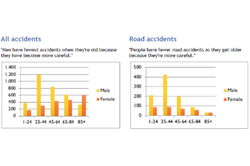
Statistical analysis: Year 9 – planning tool
This planning resource for Year 9 is for the topic of Statistical analysis.
Resource details -
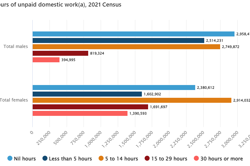
Interpret and discuss data displays: Year 9 – planning tool
This planning resource for Year 9 is for the topic of Interpret and discuss data displays.
Resource details -
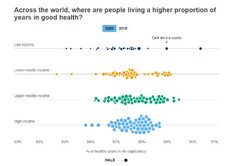
Collect, sort and compare data: Year 9 – planning tool
This planning resource for Year 9 is for the topic of Collect, sort and compare data.
Resource details -
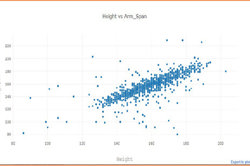
reSolve: Algorithmic thinking – data visualisation
This is a series of inquiry-based lessons about inferring relationships from large sets of data and algorithmic thinking.
Resource details -
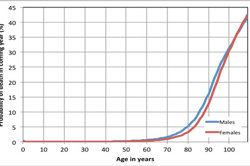
reSolve: Mathematical modelling – how risky is life?
This is a series of inquiry-based lessons about modelling the risk of death by various causes, using probability, statistics and proportional thinking.
Resource details -
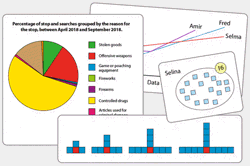
Statistics and probability
These units explore the relationship between probability and the way data is represented.
Resource details -
Educational Datasets
These teacher guides describe the datasets for teachers and provide a range of lesson activities for students in Years 3 to 10. Datasets are grouped according to where the data's context fits into learning areas of the Australian Curriculum.
Resource details